
Pay-Per-Click (PPC) advertising is a digital marketing strategy that allows businesses to display ads on search engines, social media platforms, and websites while paying only when users click on the ad. This approach helps companies reach potential customers who are actively searching for related products or services.
PPC campaigns are highly measurable and allow businesses to control budgets, target specific audiences, and track performance in real time. With the right strategy, PPC can drive immediate traffic, generate qualified leads, and improve overall marketing results.
However, generating clicks alone does not guarantee business growth. The real success of a campaign lies in turning those clicks into actual customers.
Know About Basics of PPC Advertising
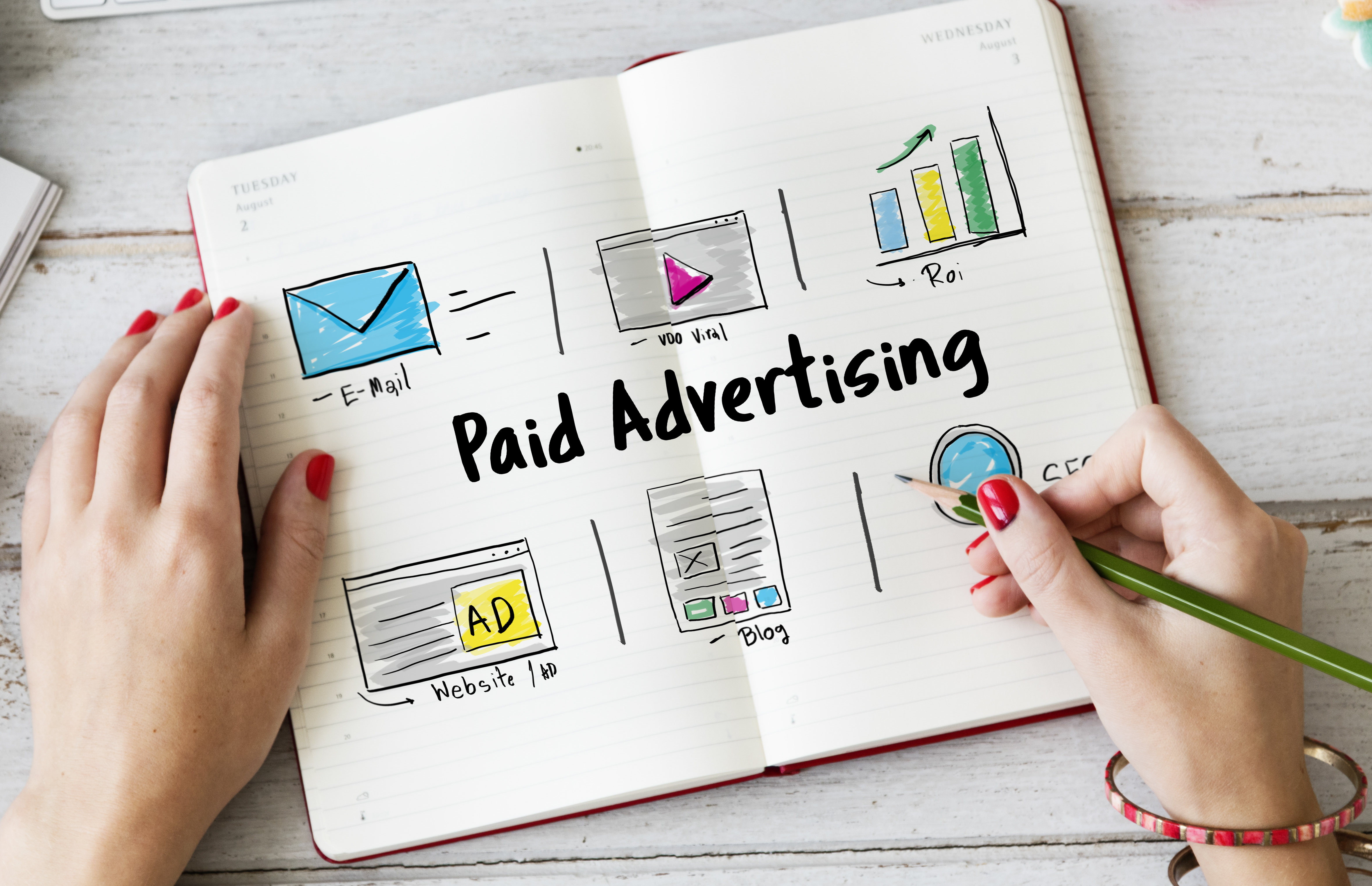
Pay-Per-Click advertising is a digital marketing model where businesses pay a small fee each time a user clicks on their advertisement. Instead of waiting for organic traffic to grow over time, PPC allows companies to appear immediately in search results or across various online platforms.
Popular advertising platforms include search engines, social media networks, and display advertising networks. These platforms enable businesses to target users based on keywords, location, interests, and online behavior.
The primary advantage of PPC advertising is that it connects businesses with potential customers who already show intent. When someone searches for a service or product, a well-optimized PPC campaign ensures the company’s ad appears at the right moment.
According to industry research, PPC visitors are 50% more likely to make a purchase than organic visitors, making paid advertising a highly valuable strategy for businesses aiming for faster growth.
However, the success of PPC campaigns depends on strategic planning, constant monitoring, and data-driven decision-making. This is why many organizations rely on experienced professionals to manage their campaigns effectively.
The Strategic Role of PPC Agencies
Managing PPC campaigns may seem straightforward at first glance, but successful campaigns require a combination of marketing expertise, data analysis, and continuous optimization.
PPC agencies specialize in developing strategies that align with a company’s business goals. Their responsibilities often include:
-
Campaign planning and strategy development
-
Keyword research and competitor analysis
-
Creating compelling advertisements
-
Monitoring campaign performance
-
Optimizing campaigns for better conversions
Rather than simply running ads, agencies focus on maximizing the return on advertising investment. They analyze data regularly to determine which ads perform best and adjust strategies accordingly.
Businesses that partner with Top PPC agencies often benefit from expert insights, advanced marketing tools, and proven strategies that improve overall campaign performance.
Identifying the Right Target Audience
One of the most important steps in turning clicks into customers is targeting the right audience. Even the most creative advertisement will fail if it reaches people who are not interested in the product or service.
PPC agencies conduct detailed audience research to identify potential buyers. This research may include:
-
Demographic targeting (age, gender, location)
-
Behavioral targeting (online browsing habits)
-
Interest-based targeting
-
Search intent analysis
By understanding what potential customers are looking for, agencies ensure that advertisements appear in front of users who are more likely to convert.
Studies show that targeted advertising campaigns can improve conversion rates by up to 200%, demonstrating the importance of accurate audience segmentation.
The Importance of Keyword Research
Keywords are the foundation of every PPC campaign. They determine when and where advertisements appear in search results.
Professional PPC agencies conduct detailed keyword research to identify terms that potential customers use while searching online. The goal is to target keywords that show strong purchasing intent rather than general informational searches.
For example, a user searching for “best CRM software for small businesses” is more likely to convert than someone searching for “what is CRM software.”
By focusing on high-intent keywords, agencies attract users who are already close to making a purchase decision.
Crafting High-Performing Ad Copy
Once the right keywords and audience are identified, the next step is creating advertisements that capture attention and encourage users to click.
Ad copy must be concise, clear, and persuasive. It should highlight the value of the product or service while addressing the needs of potential customers.
Effective PPC ads typically include:
-
A compelling headline
-
A clear value proposition
-
Relevant keywords
-
A strong call-to-action
For example, a well-written ad might emphasize benefits such as affordability, speed, reliability, or unique features.
Research indicates that ads with clear calls-to-action can increase conversion rates by more than 160%, showing how important messaging is in paid advertising campaigns.
Experienced PPC professionals constantly test different variations of ad copy to determine which versions generate the best results.
The Role of Landing Pages in Conversions
Getting users to click on an ad is only the first step. After clicking, users are directed to a landing page where the real conversion process begins.
A poorly designed landing page can cause visitors to leave immediately, wasting valuable advertising spend. On the other hand, a well-designed landing page can significantly increase the chances of turning visitors into customers.
Effective landing pages usually include:
-
Clear and consistent messaging
-
Strong calls-to-action
-
Fast loading speed
-
Mobile-friendly design
-
Trust signals such as testimonials or reviews
According to marketing studies, businesses with optimized landing pages can see conversion improvements of up to 300%.
Many PPC agencies collaborate with web design and conversion optimization specialists to ensure landing pages support campaign goals.
Continuous Monitoring and Campaign Optimization
PPC campaigns require ongoing monitoring to maintain strong performance. Unlike traditional advertising, digital campaigns provide detailed performance data that can be analyzed and optimized.
PPC agencies track key performance indicators such as:
-
Click-through rate (CTR)
-
Conversion rate
-
Cost per click (CPC)
-
Cost per acquisition (CPA)
-
Return on ad spend (ROAS)
These metrics help agencies understand which ads, keywords, and strategies generate the best results.
If a campaign is not performing well, adjustments can be made quickly. This may include changing keywords, modifying ad copy, adjusting bidding strategies, or refining audience targeting.
Leveraging Data and Analytics
One of the greatest advantages of PPC advertising is the ability to measure every aspect of a campaign.
Data analytics helps agencies identify patterns in user behavior and make informed decisions about future strategies.
For example, analytics tools can reveal:
-
Which keywords drive the most conversions
-
What time of day generates the highest engagement
-
Which devices users prefer when interacting with ads
-
Which geographic locations deliver the best results
These insights allow agencies to refine campaigns and focus on the strategies that generate the highest return.
According to marketing research, data-driven companies are 23 times more likely to acquire customers than businesses that do not rely on analytics.
Budget Management and Cost Efficiency
Another key responsibility of PPC agencies is managing advertising budgets effectively.
Without proper management, businesses may spend large amounts on ads that produce minimal results. PPC agencies use bidding strategies and performance analysis to ensure advertising budgets are allocated efficiently.
Common budget management strategies include:
-
Adjusting bids based on keyword performance
-
Pausing underperforming ads
-
Focusing on high-converting campaigns
-
Testing new audiences and ad formats
Studies show that businesses make an average of $2 for every $1 spent on PPC advertising, but only when campaigns are properly optimized.
This demonstrates why expert management plays such an important role in achieving positive results.
The Importance of A/B Testing
Successful PPC campaigns rely heavily on experimentation and testing. Agencies regularly conduct A/B tests to determine which campaign elements perform best.
A/B testing involves comparing two variations of an advertisement or landing page to see which one produces better results.
Common elements tested include:
-
Headlines
-
Ad descriptions
-
Calls-to-action
-
Images or visuals
-
Landing page layouts
Through continuous testing, agencies gradually refine campaigns and improve conversion rates over time.
Why Businesses Choose Professional PPC Agencies
Many businesses initially attempt to manage PPC campaigns on their own. While this approach may work for small campaigns, larger or more competitive markets require advanced strategies and experience.
Professional PPC agencies bring several advantages, including:
-
Industry expertise and market knowledge
-
Access to advanced advertising tools
-
Efficient campaign management
-
Data-driven decision making
-
Continuous optimization
By partnering with experienced professionals, businesses can focus on their core operations while experts handle complex advertising strategies.
The Growing Importance of PPC in Digital Marketing
Digital advertising continues to grow rapidly as more businesses move their marketing efforts online. PPC has become one of the most reliable ways to generate immediate traffic and leads.
Global digital advertising spending is expected to surpass $800 billion in the coming years, highlighting the increasing importance of paid marketing strategies.
For businesses looking to compete in this evolving digital environment, PPC advertising provides a scalable and measurable way to reach potential customers.
With the support of experienced professionals, companies can create campaigns that not only generate clicks but also drive meaningful business results.
PPC advertising helps businesses reach customers actively searching for solutions. By working with Top PPC agencies, companies gain expert strategies, better targeting, and continuous optimization turning clicks into real customers while improving campaign performance and driving sustainable business growth.