
.png)
Image Source: Freepik
If you’ve been thinking, “Do You Want to Launch an eCommerce Website?”—you’re not alone. Over the last decade, online shopping has moved from convenience to necessity. What started as a growing trend has now become a dominant way people discover, compare, and buy products.
Global ecommerce sales crossed trillions in recent years, and the growth curve continues upward as more consumers prefer digital-first experiences. The shift isn’t just about buying products, it’s about speed, personalization, and accessibility. From small startups to established brands, businesses are building online stores to reach wider audiences and stay competitive.
But starting an ecommerce online shop is not just about setting up a website. It’s about building a structured, customer-focused business that can attract, convert, and retain buyers. This guide walks you through every essential step, in a practical and easy-to-follow way, so you can launch with confidence.
What is an Ecommerce Store?
An ecommerce store is an online platform where businesses sell products or services over the internet. It allows customers to browse items, compare options, and make purchases anytime without visiting a physical store. These stores include features like product listings, shopping carts, secure payment gateways, and order management systems.
Ecommerce stores can range from small niche websites to large marketplaces offering thousands of products. They help businesses reach a global audience, reduce operational costs, and provide a convenient shopping experience. With the growth of digital technology, ecommerce stores have become an essential part of modern business and consumer buying behavior.
Know About Ecommerce Business Models
You should know how ecommerce works before you get into the business of building an online store. Ecommerce involves selling products or services over the internet at its core, but how you go about it may differ depending on your target audience and your objectives in business.
1. Business-to-Consumer (B2C)
It is the most typical type of ecommerce in which companies deal with individual customers. It is concentrated on fast buying, good branding and easy user experience. The vast majority of the online retail stores are in this category.
2. Business-to-Business (B2B)
This model involves the sale of products or services to another business by businesses. Orders tend to be larger, and the sales process can be negotiated, there can be contracts and long-term relations.
3. Direct-to-Consumer (D2C)
D2C enables the brands to market their products directly to the consumers without the middle men. This provides complete authority over pricing, branding and customer experience, which is why it is an appealing option to new ecommerce ventures today.
4. Consumer-to-Consumer (C2C)
This model allows people to market goods or services to other people, normally over the internet market. It is commonly applied to reselling, homemade products, and used products.
5. Consumer-to-Business (C2B)
In this strategy, people sell to companies. The classic example of this model is freelancing platforms and influencer collaboration.
The rapid growth of ecommerce started in the late 1990s, but it has reached a new surge with the advent of smartphones and electronic payments. Currently, it has been found that over 70 percent of shoppers choose to research their products online and then make a purchase.
Selecting the Best Ecommerce Platform
Choosing the right ecommerce platform shapes how your store performs, scales, and delivers customer experience. Each platform comes with its own strengths, so understanding them clearly helps you make a smart, long-term decision.
Shopify

Shopify is widely preferred by beginners and growing businesses because of its simplicity. It offers a fully hosted solution, which means you don’t have to worry about technical setup, hosting, or security.
With ready-to-use templates and built-in features, you can launch your store quickly. What makes Shopify even more powerful is its ecosystem of tools. The Best Shopify Apps allow you to extend your store’s functionality, whether it’s improving marketing, managing inventory, or optimizing conversions.
Many growing brands also choose to work with experts because a Shopify Experts Enhances Store Design by creating a more polished, user-friendly, and conversion-focused shopping experience. This ensures your store not only looks professional but also performs effectively.
However, while Shopify is easy to use, customization can be slightly limited compared to open-source platforms.
WooCommerce

WooCommerce is a powerful plugin for WordPress that turns your website into a fully functional online store. It’s highly flexible and gives you complete control over design and features.
It’s especially beneficial if you are already familiar with WordPress. With the right approach to WordPress development for eCommerce, you can build a fully customized store that aligns perfectly with your brand and customer needs.
This platform is cost-effective and scalable, but it does require some technical knowledge or developer support for managing hosting, updates, and security. For businesses that want flexibility without platform restrictions, WooCommerce is a strong choice.
Magento

Magento is known for its advanced capabilities and scalability. It’s a strong choice for large businesses that need complex features, multiple store management, and high customization.
One of Magento’s biggest strengths is its ecosystem of essential magento extensions, which allow businesses to add advanced functionalities such as custom checkout processes, enhanced analytics, and personalized shopping experiences.
It offers complete control over your ecommerce store, but it also requires technical expertise. Because of this, many businesses rely on experienced developers or Magento Development Companies to fully utilize Magento’s potential and maintain performance.
BigCommerce

BigCommerce is a robust platform designed for businesses that are ready to scale. It offers built-in features like SEO tools, multi-channel selling, and advanced analytics.
What makes it stand out is how it naturally enhances customer shopping experience through fast performance, seamless navigation, and integrated features that reduce friction during the buying journey.
Launch your scalable online store with the experts! Partner with top BigCommerce development agencies and transform your eCommerce vision into reality today.
Unlike some platforms, it reduces the need for third-party apps, which can save costs and simplify store management. It’s a strong option for businesses looking for a balance between ease of use and powerful built-in capabilities.
Wix eCommerce

Wix eCommerce is a beginner-friendly platform with drag-and-drop design features. It’s ideal for small businesses or individuals who want to create visually appealing stores without technical complexity.
It allows you to design your store exactly the way you want, making it a good choice for brands that prioritize visual appeal. However, while it’s easy to use, it may not offer the scalability needed for larger or fast-growing ecommerce businesses.
Each platform serves a different purpose, and the right choice depends on your business goals, technical comfort, and future plans. Taking the time to evaluate these options carefully will help you build a strong foundation for your ecommerce success.
Building and Designing Your Online Store
Your online store is your website. It will be the initial experience customers have with your brand and can make the difference between retention or loss.
An easy-to-navigate design is clean and user-friendly, helping visitors explore your products. Research indicates that users form an opinion about a site in a few seconds, making design and layout crucial.
Mobile responsiveness is no longer optional. With a significant portion of ecommerce traffic coming from mobile devices, your shop should function seamlessly on all screens.

Image Source: Freepik
Conversions happen on product pages. High-quality images, detailed descriptions, and clear calls-to-action play a critical role in purchase decisions. Providing thorough information builds customer confidence.
Branding is also important. Consistent colors, fonts, and tone help create recognition and trust. A strong brand identity ensures your online store is memorable and encourages repeat purchases.
Optimizing for Conversions
Getting visitors to your website is important, but turning them into customers is what really matters.
User experience plays a critical role. A smooth browsing experience, fast loading speed, and easy checkout process can significantly influence conversions.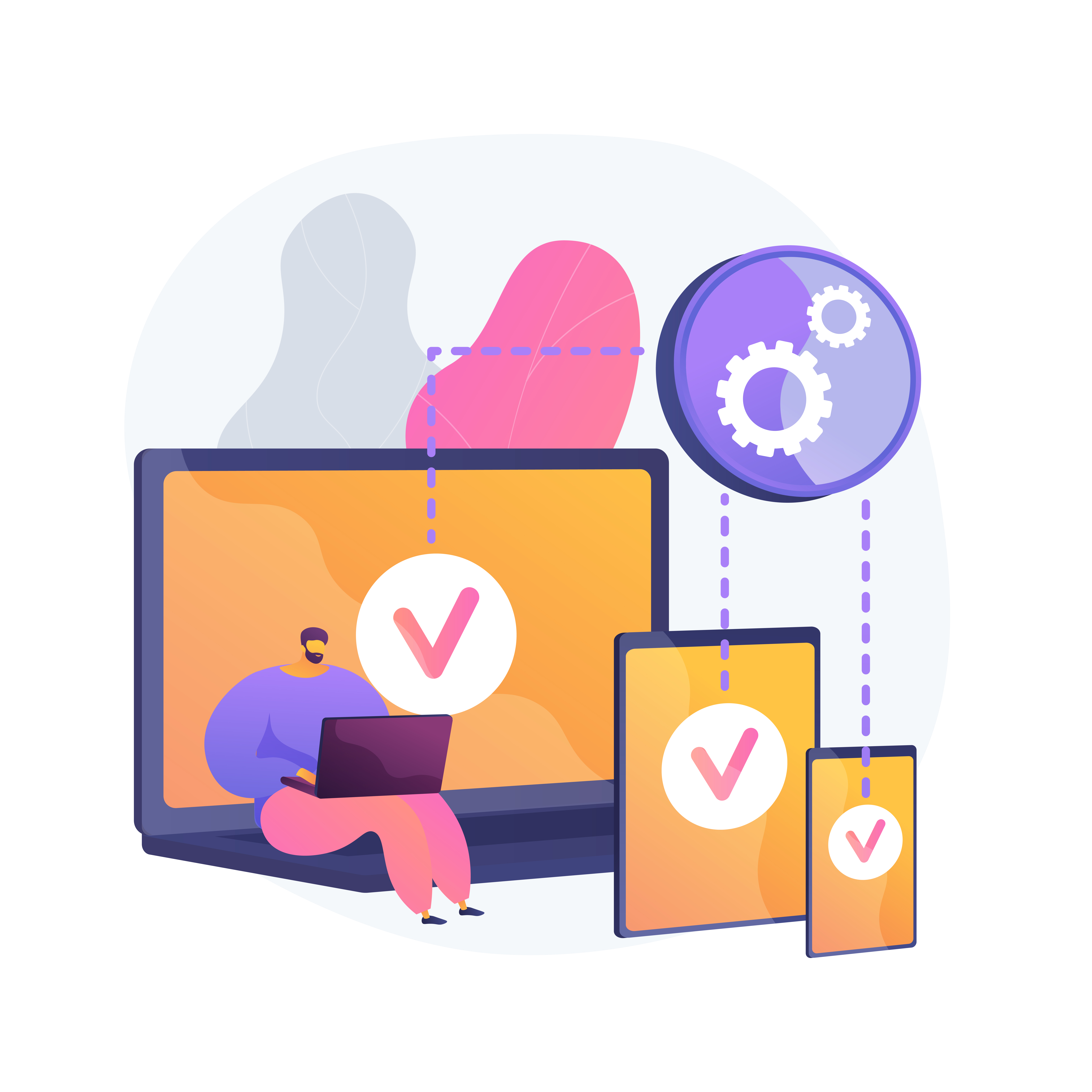
Image Source: FreePik
Small improvements can lead to big results. Adding customer reviews and testimonials builds trust and encourages new buyers. Clear return policies and guarantees also reduce hesitation.
Cart abandonment is a common challenge in ecommerce. Simplifying the checkout process and offering reminders can help recover lost sales.
Data shows that even a slight increase in conversion rate can lead to a significant boost in revenue, making optimization a continuous and valuable effort.
Starting an ecommerce business may seem challenging, and managing it in-house can often be costly and hectic. From platform setup to design, functionality, and ongoing maintenance, handling everything alone can quickly become overwhelming. This is why it’s wise to have your ecommerce development managed under the guidance of experts.
Working with experienced professionals ensures that your online store is built efficiently, optimized for performance, and aligned with your business goals. With the right expertise, you can focus on understanding your customers, delivering value, and growing your brand, while your ecommerce platform runs smoothly and effectively.
Frequently Asked Questions (FAQs)
1. How much does it cost to start an ecommerce online shop?
The cost can vary depending on your business model, platform, and features. A basic setup may require a small investment, while advanced stores with custom design, marketing, and integrations can cost significantly more.
2. Do I need technical skills to launch an ecommerce website?
Not necessarily. Many platforms are beginner-friendly and allow you to create a store without coding. However, working with experienced professionals or Commerce Development Companies can help you build a more scalable and customized online shop.
3. How do I choose the right platform for my ecommerce store?
The right platform depends on your budget, business size, and customization needs. It’s helpful to explore options through guides like “5 Platforms for Developing E-Commerce Websites” to understand which one fits your goals best.
4. What are the most important features of a successful ecommerce website?
A successful ecommerce shop should have a user-friendly design, mobile responsiveness, secure payment options, fast loading speed, and clear product information. These elements improve user experience and increase conversions.
5. How can I attract customers to my ecommerce online shop?
You can attract customers through SEO, social media marketing, paid ads, and email campaigns. A combination of these strategies helps drive traffic and build brand awareness effectively.
6. How long does it take to launch an ecommerce website?
It depends on the complexity of your store. A basic website can be launched within a few days, while a fully customized ecommerce platform may take several weeks to develop and optimize.
7. Is ecommerce a profitable business in today’s market?
Yes, ecommerce continues to grow rapidly as more consumers prefer online shopping. With the right strategy, product selection, and marketing approach, it can become a highly profitable business.
8. What payment methods should I offer in my online shop?
It’s best to provide multiple options such as credit/debit cards, digital wallets, and local payment methods. Offering flexibility improves customer convenience and increases the chances of completed purchases.
9. How important is mobile optimization for ecommerce websites?
Mobile optimization is essential. A large percentage of users shop through smartphones, so your website must be responsive and easy to navigate on smaller screens.
10. Can I run an ecommerce business from home?
Yes, many ecommerce businesses are successfully run from home. With the right tools and strategies, you can manage products, orders, and marketing without needing a physical store.
11. How to choose the best ecommerce agency for your online shop?
Selecting the right ecommerce agency requires careful evaluation of their industry experience, portfolio quality, technical expertise, and client feedback. It is important to partner with an agency that understands your business objectives and can deliver tailored, scalable solutions. Reviewing verified listings and comparing service providers on platforms like FindBestFirms can help you identify reliable agencies and make a well-informed decision for your ecommerce success.