
E-commerce is not merely putting products online as the world of online business keeps changing rapidly, it is about developing strong, secure and scalable online commerce platforms that address customer expectations at all touch points. With the changing customer behavior and increasing digital competition, the selection of appropriate technology stack is a critical move or break for a business.
Java is one of the most popular programming languages that have been used in the construction of enterprise-level e-commerce sites. Its platform-independency, developed ecosystem, comprehensive libraries, and solid performance has seen it become an as-you-go choice of businesses that want to create reliable online shopping experiences.
What Makes Java Ideal for E-Commerce Development?
Java, in a way, is an object-oriented and platform-independent programming language that is performance-aware, secure, and scalable. The Java Virtual Machine (JVM) has facilitated its philosophy of write once run anywhere so that code written on one platform can be executed on several systems without alteration. This is particularly useful in e-commerce where flexible systems need to cater to the needs of an incredibly diverse population of devices, browsers, and user examples.
Java reliability is one of the greatest benefits of this language. Reliability cannot be compromised in e-commerce systems where large levels of traffic are involved, transactions are complex, and customer information is sensitive. The memory management, multithreading, and mature runtime environment of Java make it appropriate to backend services, which need high up-time and high processing speed.
In addition, the Java rich ecosystem of frameworks, tools, and libraries makes it easier to build applications, yet it offers powerful functionality to all components such as database access and security as well as real-time messaging and deployment of cloud or microservices. This flexibility will make sure that businesses.
How Java Is Used in E-Commerce Platforms
Backend Logic and Business Rules
The backbone of every e-commerce platform lies in its backend logic, the part of the system that handles everything from user authentication to order processing and inventory management. Java excels in backend development thanks to its solid architectural foundations and performance-oriented execution.
Popular Java frameworks like Spring Boot, Spring MVC, Hibernate, and other components of the Spring ecosystem simplify the creation of scalable backend services. These frameworks handle dependency management, object-relational mapping (ORM), database connectivity, and API routing, all essential for robust e-commerce platforms.
By using Java in combination with frameworks, developers can implement features such as:
-
Real-time inventory tracking and updates
-
Advanced pricing and discount engines
-
Checkout and payment processing
-
Order fulfilment and logistics workflows
-
Customer account and authentication systems
This backend capability is fundamental for any modern online store that needs to operate smoothly under high user concurrency and across multiple sales channels. Java’s performance characteristics ensure that even resource-intensive operations like large catalog searches and high-volume transactions are handled efficiently.
Performance, Scalability, and Reliability
Java architecture is high performance. Due to the multithreading in it and its memory management, it is able to support a high number of user requests without much delays. This is especially crucial in peak traffic times like holiday sales, launches and promotions which are normal cases in e-commerce.
Java together with micro services architecture increases scalability even more. Microservices are the decomposed monolithic applications, which are reduced into smaller units of deployment. This implies that each independent part of an e-commerce platform (e.g. product catalog service, payment processing, or customer recommendation service) can be modified, scaled, or deployed independently without affecting the system as a whole.
Scaling is not a mere technical demand when increasing e-commerce platforms start receiving more traffic and become more complex to operate, it turns into a business need. This is where the skilled development partners come in to make a difference. The architectures of the most prominent organizations and the leading Java development Companies tend to organize commerce platforms based on microservice and containerization technologies like Docker and Kubernetes. This design enables various components of the system such as product management, payments, and order processing to scale up without affecting the overall performance, thus high availability, and continuous customer experiences even when the system is operating at maximum capacities.
Security and Data Protection
Security is a major concern in e-commerce, where sensitive customer information like payment details, personal addresses, and order history must be protected at all times. Java boasts a comprehensive set of built-in security features and integrates seamlessly with security frameworks like Spring Security to enforce authentication, authorization, and cryptography.
Java’s security capabilities include:
-
Support for SSL/TLS encryption to protect data in transit
-
Authentication frameworks for secure login systems
-
Role-based access control and permission handling
-
Secure handling of user sessions and tokens
These features help businesses build trust with customers by safeguarding their data and preventing threats such as unauthorized access or data breaches. For B2B and enterprise solutions that require compliance with data privacy regulations (like GDPR or PCI-DSS), Java’s mature security libraries simplify compliance without compromising performance.
Key Java Frameworks for E-Commerce Development
To build a powerful and scalable e-commerce platform, developers often rely on frameworks and platforms that extend Java’s capabilities. These frameworks provide pre-built modules, reusable components, and integration points that accelerate development and reduce coding complexity.
Here’s a closer look at some widely used Java e-commerce frameworks:
SAP Hybris (SAP Customer Experience)
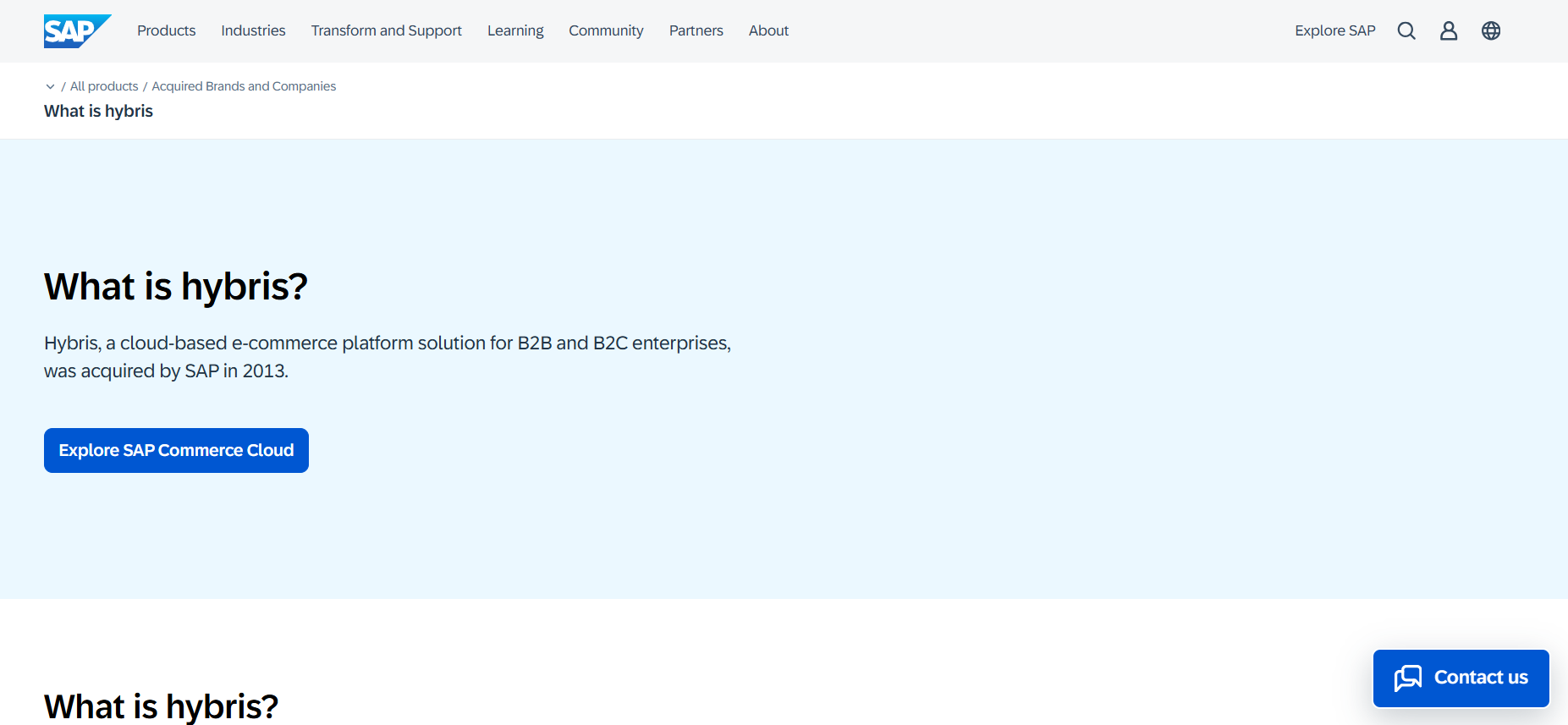
SAP Hybris is one of the most robust e-commerce platforms built on Java. It offers features that support both B2B and B2C commerce, omnichannel capabilities, and comprehensive marketing modules. Hybris allows merchants to manage promotions, personalize user experiences, and streamline product catalogs all within a scalable enterprise environment. Broadleaf is an open-source e-commerce framework built on Java and Spring, designed for businesses that need flexibility and customization. It supports multiple sites, channels, languages, and currencies, making it suitable for global brands and multi-tenant e-commerce platforms.
Elastic Path
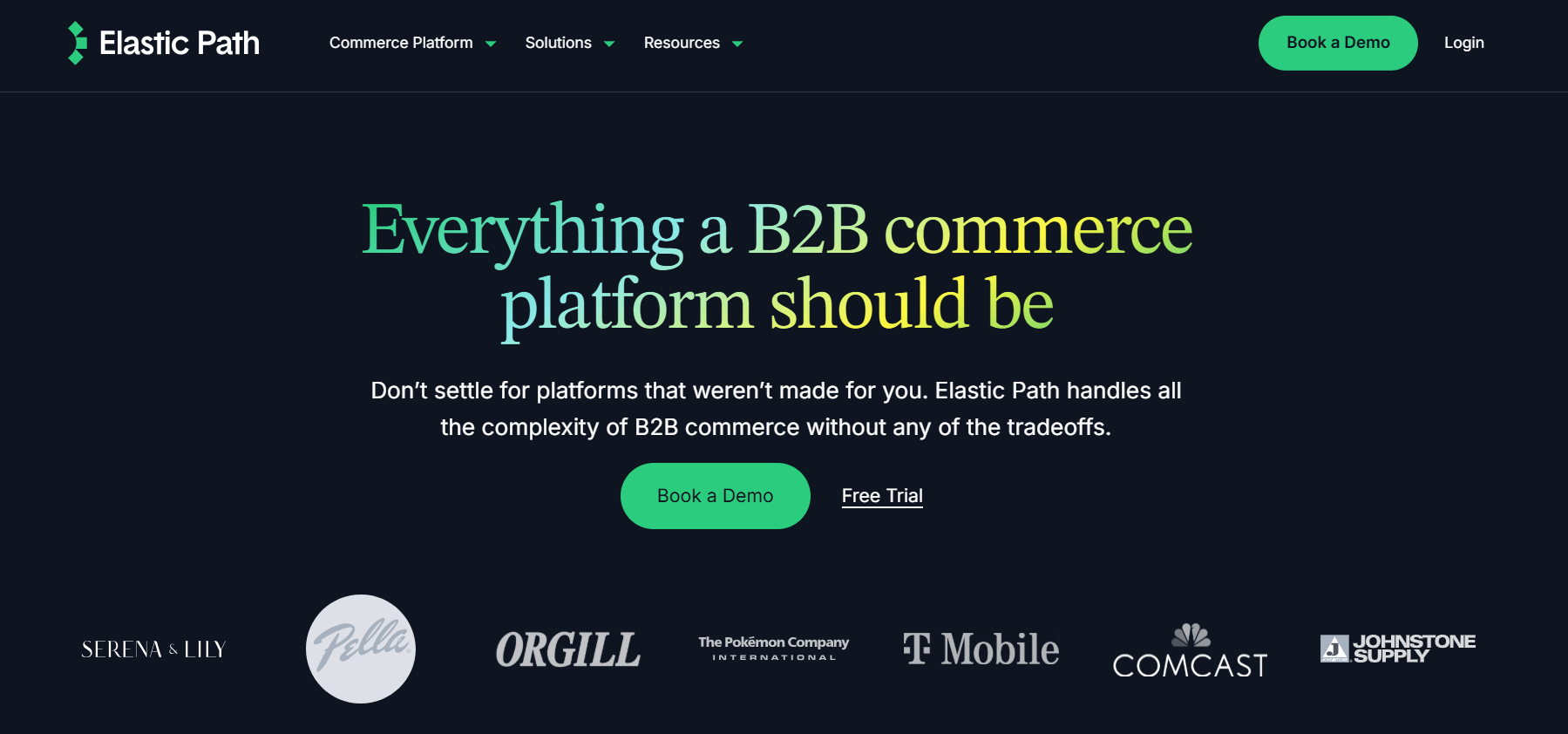
Elastic Path takes an API-first approach, enabling headless commerce experiences that separate frontend user interfaces from backend services. This approach is ideal for businesses focused on delivering consistent shopping across web, mobile, IoT, and other digital touchpoints.
Apache OFBiz
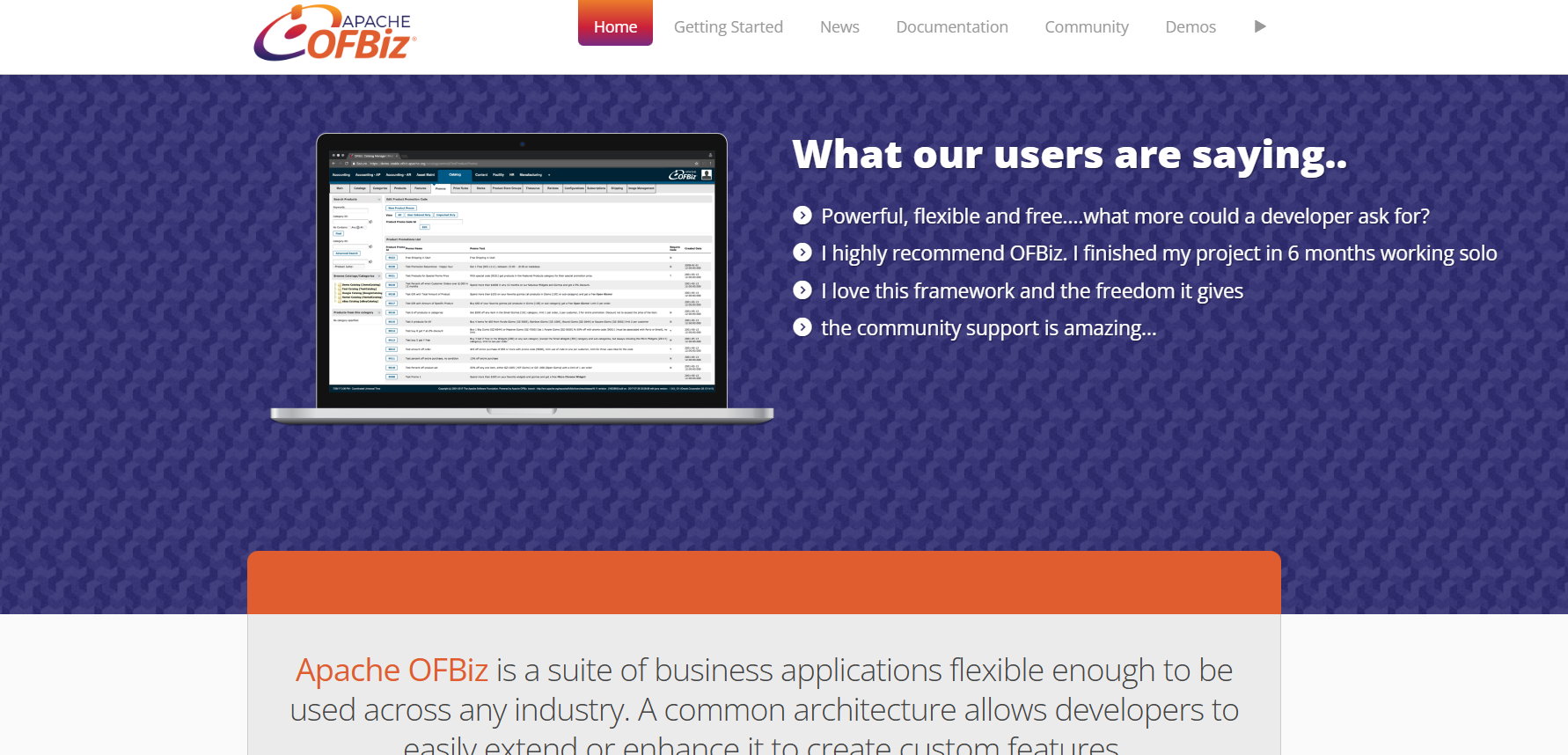
Apache OFBiz is a community-driven open-source framework that combines e-commerce features with business process automation. It offers modules for CRM, warehousing, accounting, and more, enabling deep customization for enterprise needs.
Shopizer and Kadro Merchant
Shopizer is a lightweight, headless e-commerce framework optimized for mobile and REST APIs, while Kadro Merchant includes advanced modules like fraud detection, SEO tools, and secure payments. These frameworks are ideal for smaller to mid-sized businesses or those aiming for highly customized storefronts.
Each of these frameworks reflects Java’s flexibility whether you need a full enterprise suite, a modular headless system, or a lightweight customizable platform.
Java-Based Content Management Systems (CMS) for Commerce
Beyond frameworks, Java also powers enterprise content management systems (CMS) that integrate seamlessly with commerce platforms. CMS solutions allow businesses to manage content, product information, digital assets, and customer experiences efficiently.
Some notable Java-based CMS platforms include:
Magnolia
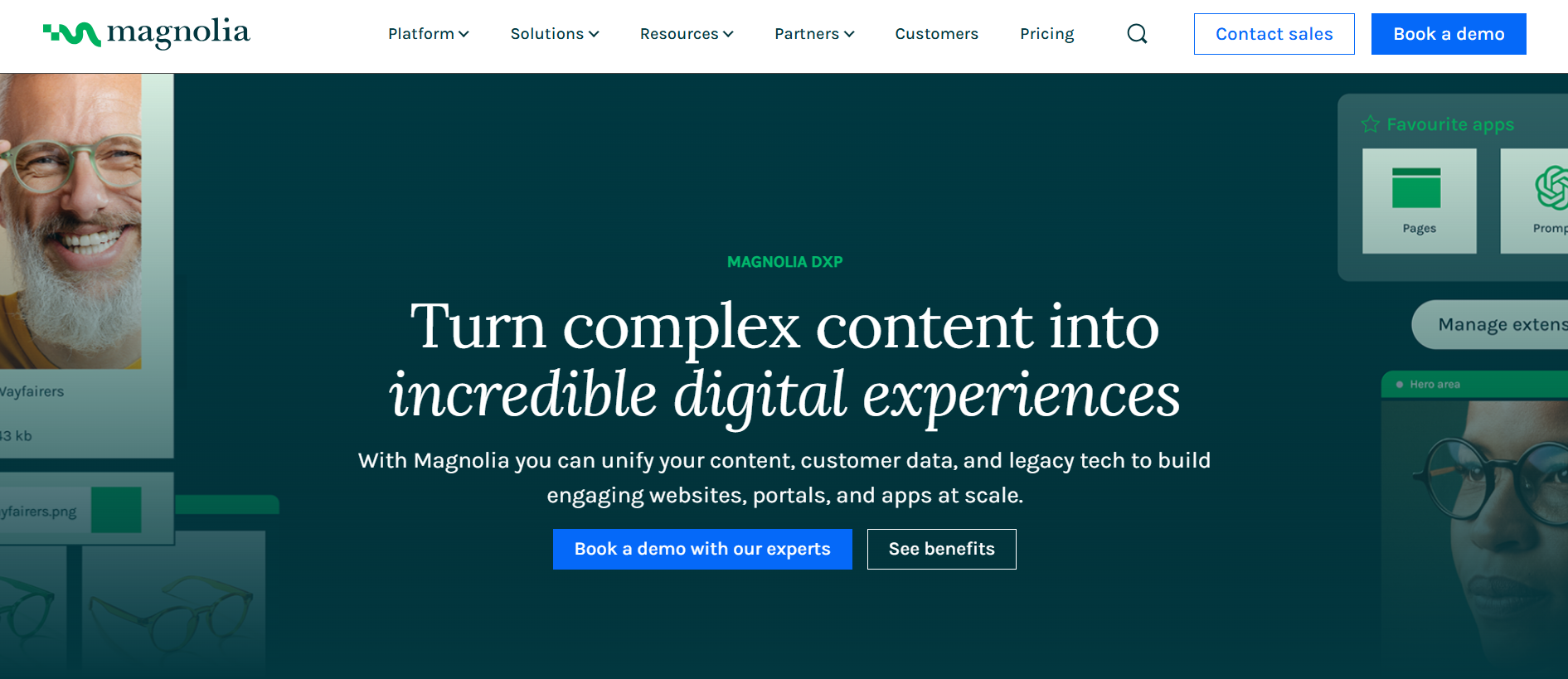
Magnolia is a popular open-source CMS that supports site management and digital content distribution with flexible customization options. It integrates well with e-commerce frameworks and allows developers to create dynamic storefronts tailored to business needs.
Bloomreach (Hippo CMS)
Bloomreach, originally Hippo CMS, is a headless CMS that enables integrations with major commerce platforms and personalization engines. It’s optimized for delivering content across multiple channels web, mobile, and even voice search interfaces.
DotCMS
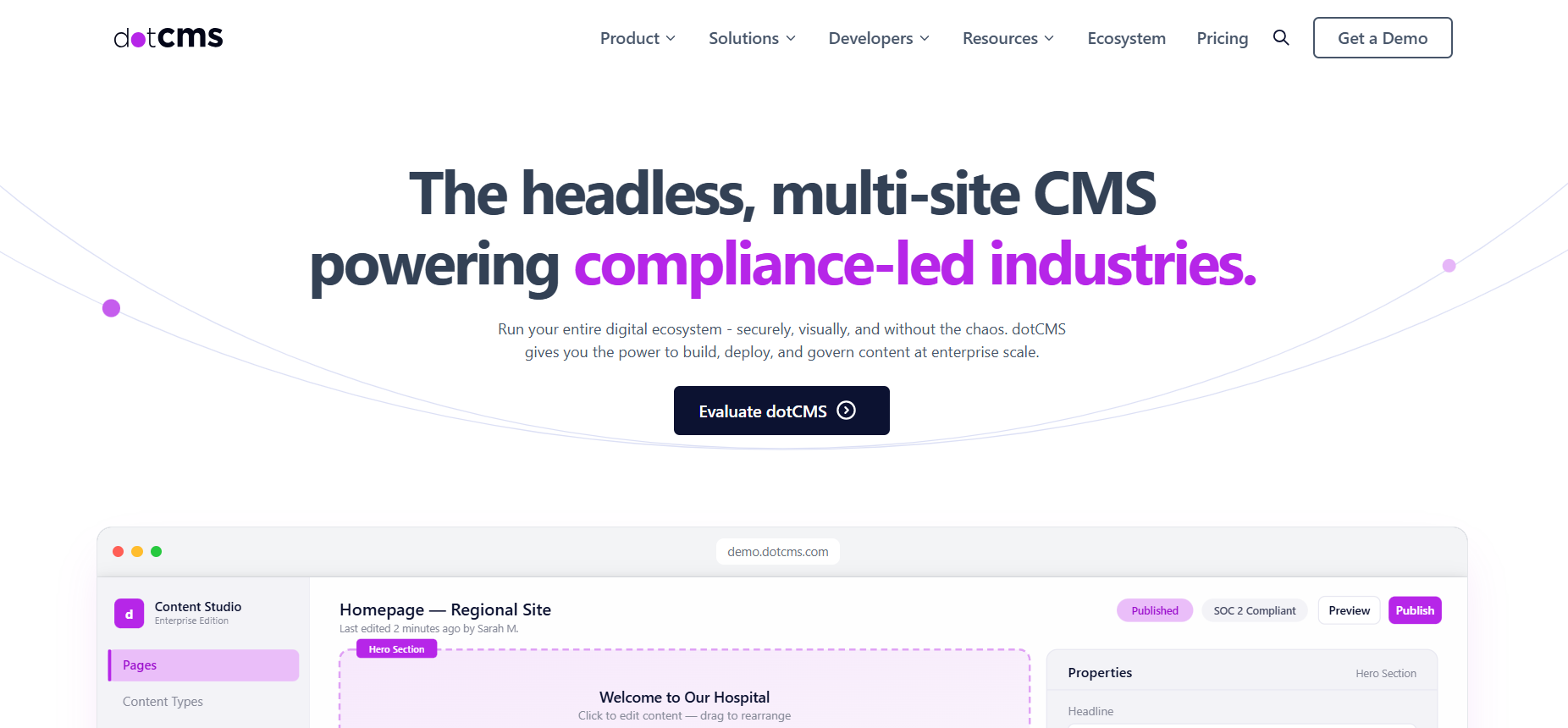
DotCMS provides enterprise-grade content management with strong support for REST APIs, allowing developers to deliver content-driven commerce experiences efficiently.
Qalingo and Mayocat
These platforms emphasize localization, mobile optimization, and multi-market support, making them ideal for global e-commerce stores that require localized product displays, pricing, and promotions.
Avetti Commerce
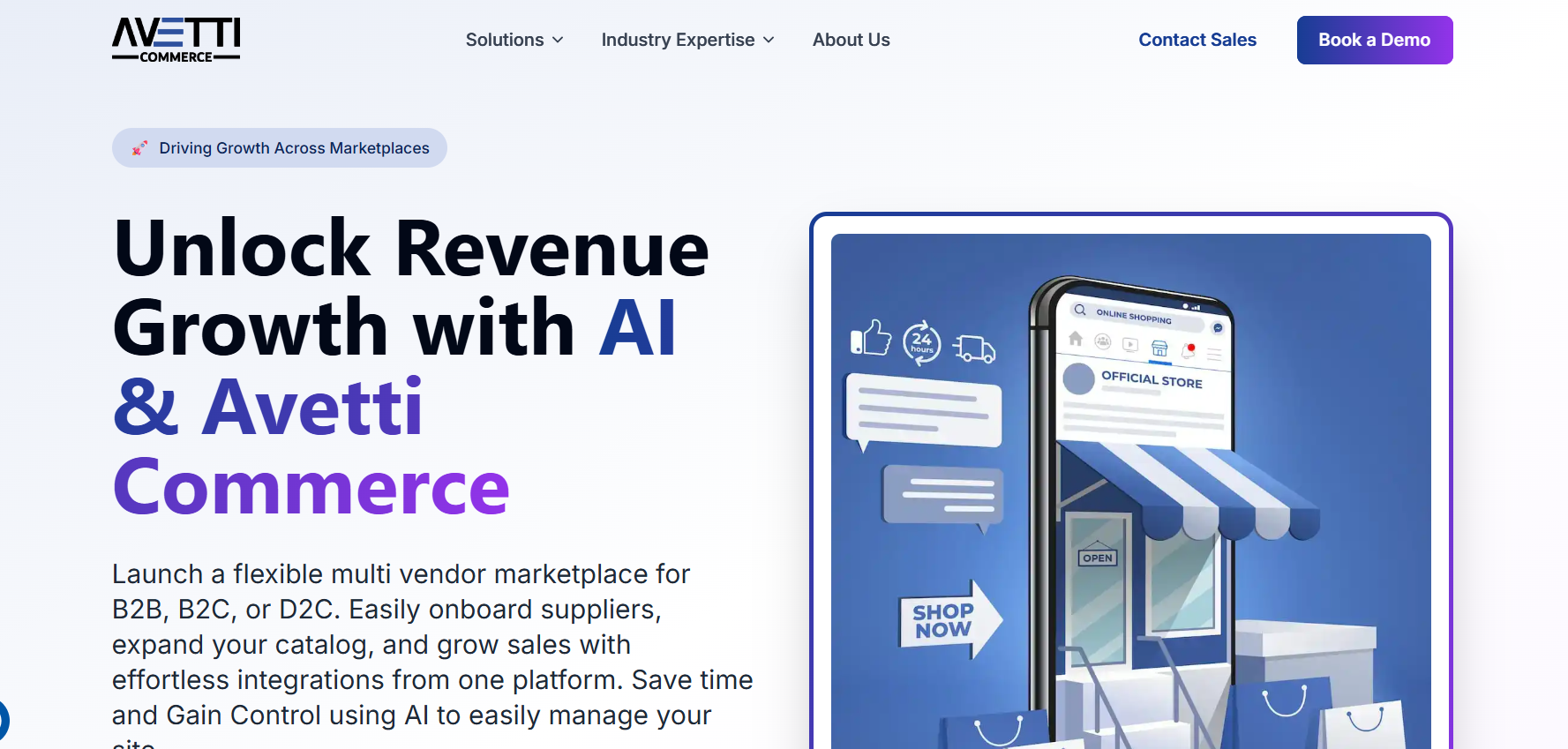
Avetti is a feature-rich CMS and commerce platform that helps businesses sell across channels and aggregate multiple suppliers under one roof useful for marketplace scenarios.
Building a Java E-Commerce System: Practical Steps
Developing an e-commerce solution using Java is more than just writing backend code, it's about orchestrating multiple components to deliver a seamless shopping experience. Here’s a high-level view of how Java is typically used in building e-commerce websites and applications:
Architecture and Planning
Before writing code, architects and developers define the overall structure of the e-commerce platform from microservices and database schemas to API contracts and cloud setup. Many Top Java development Companies follow an iterative planning approach to align technical decisions with business goals.
Backend Development
Using Java frameworks such as Spring Boot and Hibernate, developers build core features like:
-
User authentication and authorization
-
Shopping cart and checkout
-
Order processing and fulfilment
-
Product catalog and search
-
Payment gateway integrations
These components form the backbone of the e-commerce experience, with each microservice or module responsible for specific functions.
Frontend Integration
Although Java is primarily used for backend logic, it integrates seamlessly with frontend technologies like Angular, React, or modern UX frameworks. REST APIs built in Java handle requests from web applications and mobile apps, ensuring that users get fast and responsive experiences across platforms.
CMS and Content Integration
For rich product content, blogs, promotions, and personalized messaging, Java-based or headless CMS platforms connect with commerce APIs to deliver content-driven experiences. This integration allows businesses to update storefront content without altering backend logic.
Testing and Optimization
Testing is essential for ensuring reliability and performance. Java’s mature ecosystem includes tools for unit testing (JUnit), integration testing, and load testing to ensure that the system performs well under varying traffic conditions.
Deployment and Scaling
Using containerization tools like Docker, orchestration with Kubernetes, and continuous delivery pipelines, e-commerce platforms built with Java can scale dynamically based on traffic and demand a vital feature for businesses that experience seasonal peaks or global usage.
Benefits of Choosing Java for E-Commerce Development
High Scalability
Java architectures can handle growth both in terms of traffic and functionality. With microservices and cloud-native deployments, businesses can scale services independently, reducing bottlenecks and improving performance.
Strong Security
Java’s built-in security features and integration with robust security frameworks help protect sensitive customer information and build trust. Its security stacks also make it easier for developers to adhere to compliance requirements.
Platform Independence
Java’s “write once, run anywhere” approach ensures that your e-commerce application works consistently across operating systems and server environments, an advantage when serving diverse user bases.
Large Developer Community
Java has one of the largest developer communities in the world. This means abundant resources, libraries, and third-party tools are available to speed up development and resolve challenges efficiently.
Longevity and Support
Unlike some newer languages or stacks that may wane in popularity, Java has endured over decades as a trusted choice for enterprise software, including e-commerce. Its stability and continuous evolution make it a smart long-term investment.
Choosing the Right Java Partner: Top Java Development Companies
When building a complex project like an e-commerce platform, selecting the right partner is crucial. Top Java development Companies bring not just coding expertise but also architectural vision, project planning skills, and industry experience.
These companies often provide comprehensive services, including:
-
Custom E-Commerce Development
-
API and integration services
-
Microservices and cloud deployments
-
Performance optimization
-
QA and long-term support
Working with seasoned professionals ensures that your e-commerce solution is not just functional but also secure, scalable, and aligned with your business strategy.
Wrapping Up
As digital commerce continues to grow, businesses need technology that can keep pace with evolving customer expectations and competitive market dynamics. Java remains a leading choice for E-Commerce Development due to its reliability, scalability, security, and extensive ecosystem of frameworks and tools. Whether you are building a mid-sized online store or a global commerce platform, Java offers the technical foundation to support complex workflows and future growth.
If your business is planning to enter or expand in the online marketplace, consider partnering with Top Java development Companies to build a custom, scalable, and secure e-commerce solution tailored to your specific needs.