
Today, every business is trying to grab attention in a crowded market where customers have many options. Digital marketing channels are not optional anymore; they are the main way people find, compare, and choose brands. Whether you’re just starting out or looking to grow, your success depends on using the right channels effectively.
Over the past decade, digital adoption has accelerated at an extraordinary pace. As of 2025, global internet users have crossed 5.5 billion, and more than 74% of the world’s population is active on social media. Consumers now spend an average of nearly 7 hours per day online. This shift has completely changed how buying decisions are made. Customers research, compare, read reviews, and engage with brands digitally before making a purchase.
What makes digital marketing powerful is not just reach, but precision. Businesses can now target specific audiences, track behavior, measure performance, and continuously optimize campaigns. However, success doesn’t come from being everywhere. It comes from choosing the right mix of channels and using them strategically.
What are Digital Marketing Channels?
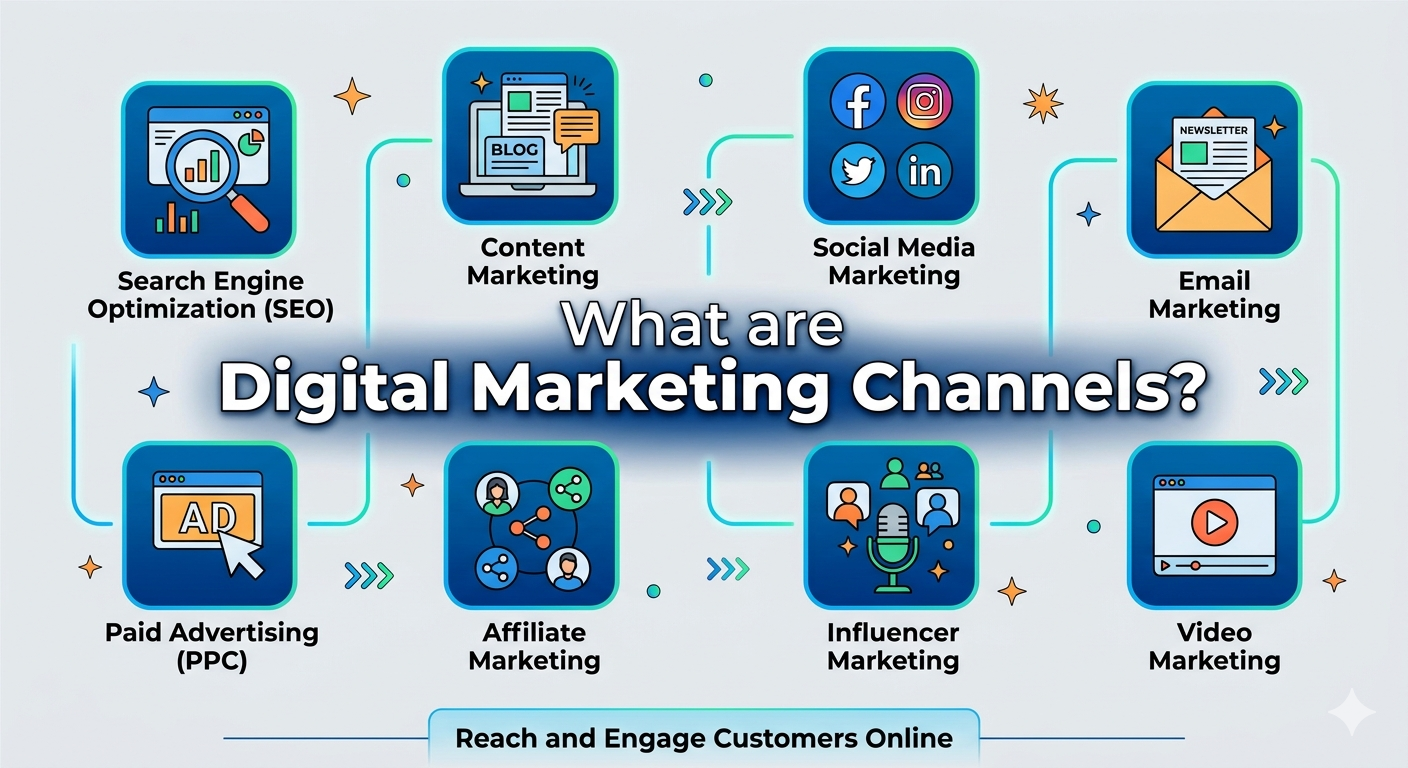
Digital marketing channels are the various online platforms and methods businesses use to connect with their audience, promote their products, and drive engagement. Think of them as the pathways that guide potential customers toward your brand.
These channels include social media platforms like Facebook, Instagram, and LinkedIn, where businesses can interact directly with users. Search engines, such as Google, serve as another vital channel, helping customers discover your brand through organic search results or paid ads. Email marketing allows for personalized communication, keeping your audience informed and engaged, while content-based channels like blogs, videos, and podcasts help build trust and authority.
Even paid ad networks, display ads, and affiliate marketing fall under this umbrella. Using a mix of these channels strategically ensures that businesses can reach the right audience at the right time, boosting visibility, engagement, and ultimately, growth in a competitive digital landscape.
Search Engine Optimization (SEO)
Search Engine Optimization remains one of the most valuable digital marketing channels because it captures demand at the exact moment users are searching for solutions. Google processes over 8.5 billion searches per day, making search engines the starting point for most online experiences.
SEO focuses on improving a website’s visibility in organic search results. It involves optimizing content, improving technical performance, and building authority through backlinks. Businesses that invest in SEO benefit from sustainable traffic growth without continuously paying for clicks.
The long-term impact of SEO is backed by strong data. Studies show that the first page of Google captures over 90% of total search traffic, while the top three results alone receive more than 50% of clicks. This means ranking higher directly translates into more visibility and potential revenue.
Ready to grow your business online? Hire top SEO companies to boost rankings, drive traffic, and increase conversions.
Modern SEO is no longer just about keywords. Search engines now prioritize user intent, content quality, and experience. Factors such as page speed, mobile responsiveness, and engagement metrics play a critical role in rankings. Businesses that consistently publish valuable, relevant content tend to build authority and trust over time.
Pay-Per-Click Advertising (PPC)
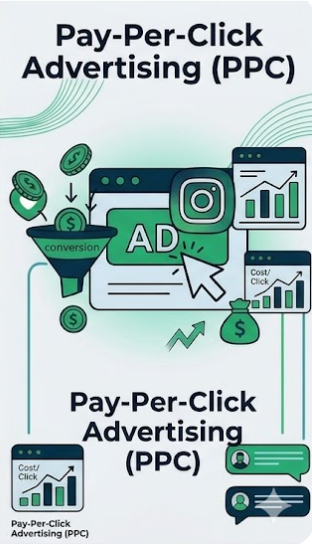
SEO takes time to gain traction, but PPC advertising provides instant visibility. With PPC, companies can get at the top of search results and throughout the web in paid placements. Platforms such as Google AdWords and various social media ad networks provide an opportunity to target your message to specific demographics based upon their interest or activity.
The effectiveness of PPC advertising is supported by its measurable results. For example, Google has cited that, on average, companies receive $2 for every $1 spent on Google AdWords, allowing it to be one of the most scalable forms of marketing when executed effectively.
One of the key benefits of PPC is speed. With a well-executed and optimized PPC campaign, an organization can create traffic and leads within hours after launching their campaign. Therefore, PPC is especially valuable for launching new products, offering seasonal discounts, or competing for customers in industries that can take time to rank organically on search engines.
Regarding your PPC success, a good strategy is crucial. Your keyword selection, your ad copy, your landing page experience, and continuous optimization of these components will ultimately determine how well your PPC campaign performs. Companies that consistently monitor metrics such as click-through rates (CTR), conversion rates (CR), and cost per acquisition (CPA) are more likely to generate a positive return on their PPC investments.
Social Media Marketing
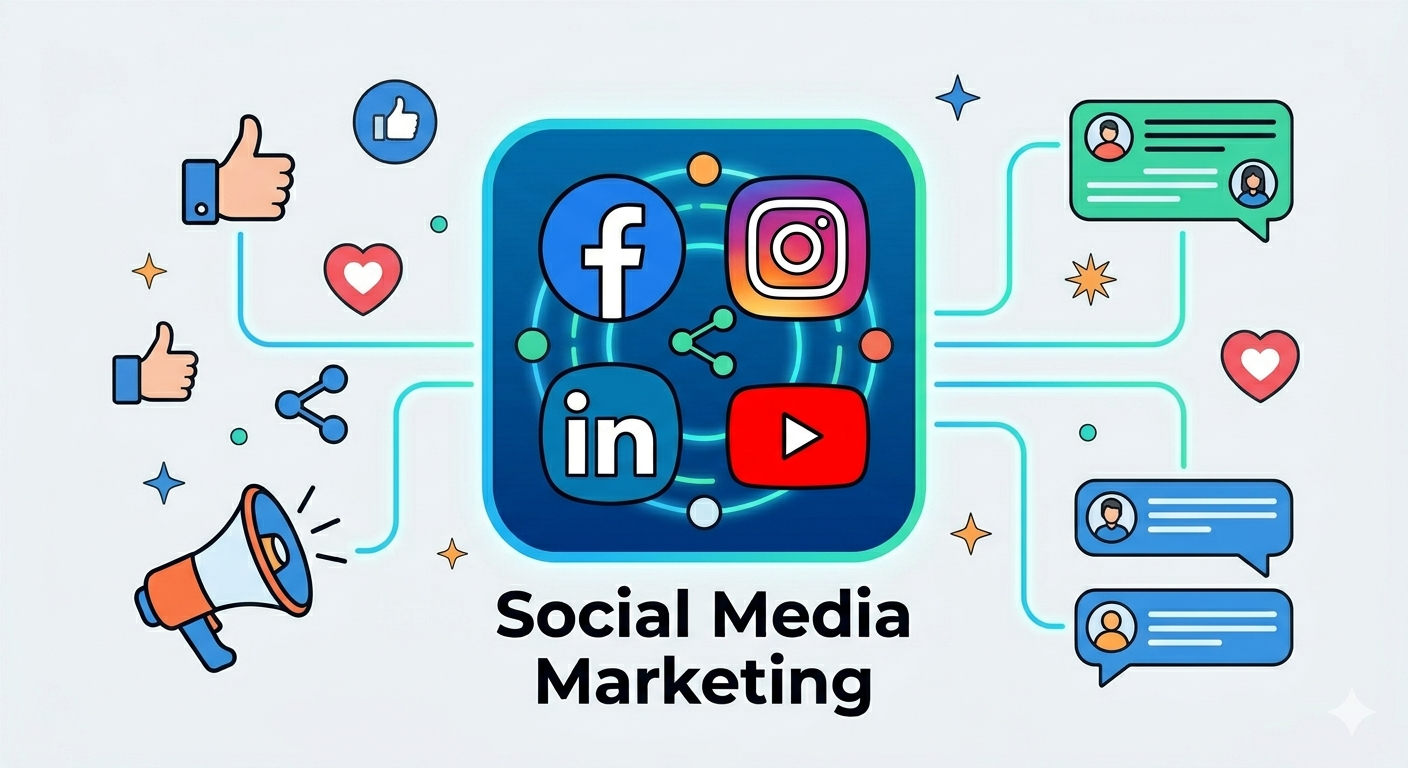
Social media has transformed how brands communicate with their audience. It is no longer just a platform for sharing updates; it is a powerful channel for building relationships, driving engagement, and influencing purchase decisions.
With over 4.9 billion social media users globally, platforms like Instagram, Facebook, and LinkedIn offer unmatched reach. Research indicates that 54% of consumers use social media to research products before buying, and nearly 71% are more likely to recommend a brand they have had a positive experience with on social platforms.
Social media marketing works best when it feels authentic. Audiences are more likely to engage with content that is relatable, informative, or entertaining rather than overly promotional. Brands that focus on storytelling, consistency, and interaction tend to build stronger connections.
Video content has become a dominant format in social media. Short-form videos, in particular, have seen rapid growth, with platforms reporting significantly higher engagement rates compared to static posts. Businesses that adapt to these trends often see better visibility and audience retention.
Outsource your social media workload to experts and focus on growing your business. Save time, stay consistent, and get better results with a professional team managing your brand presence effectively.
Content Marketing

Content marketing is at the core of most successful digital strategies. It involves creating valuable and relevant content that attracts and engages your target audience. Unlike traditional advertising, content marketing focuses on building trust rather than directly selling.
The effectiveness of content marketing is supported by strong metrics. Companies that prioritize blogging generate 67% more leads compared to those that do not. Additionally, content marketing costs 62% less than traditional marketing while generating three times as many leads.
Looking to improve your brand’s visibility through content? Partner with experienced content marketing companies to develop strategic, audience-focused content that builds trust, increases engagement, and supports consistent business growth over time.
Content can take many forms, including blog posts, videos, infographics, and case studies. Each format serves a different purpose within the customer journey. Informational content builds awareness, while in-depth guides and case studies help in decision-making.
Consistency is key in content marketing. Businesses that regularly publish high-quality content not only improve their SEO performance but also establish themselves as industry authorities. Over time, this builds credibility and increases conversion rates.
Email Marketing
Email marketing remains one of the most effective and reliable digital channels. Despite the rise of social media and other platforms, email continues to deliver strong returns. Studies show that email marketing generates an average ROI of $36 for every $1 spent.
What makes email powerful is its direct and personalized nature. Unlike social media, where algorithms control visibility, email allows businesses to communicate directly with their audience. This makes it ideal for nurturing leads, promoting offers, and maintaining customer relationships.
Personalization plays a significant role in email success. Campaigns that use personalized subject lines and content see higher open and click-through rates. Segmentation also improves performance by ensuring that the right message reaches the right audience.
Automation has further enhanced email marketing. Businesses can set up automated workflows for welcome emails, follow-ups, and re-engagement campaigns, ensuring consistent communication without manual effort.
Want your emails to actually bring results? Work with skilled Email Marketers who know how to drive clicks and conversions. Find the right experts today and start turning every campaign into real business growth.
Influencer Marketing

Brands can leverage influencer marketing because more and more consumers are relying on recommendations from peers rather than advertisements. If brands work with influencers, they gain access to already established audiences as well as build their own credibility.
According to estimates, the global influencer marketing marketplace will rapidly grow to over $24 billion by 2026. Studies indicate that 61% of consumers find their decisions; therefore, recommendations made by influencers are becoming an extremely effective way to develop brand recognition and conversions.
Influencer marketing can only be successful when brands select the right partners, and when selecting partners, relevance, authenticity, and engagement are often more important than simply having a lot of followers. Micro-influencers especially tend to generate higher levels of engagement than other types of influencers because they typically engage with niche communities and have closer relationships with their audience.
Affiliate Marketing

Affiliate marketing operates on a performance-based model where businesses pay partners for driving traffic or sales. This makes it a cost-effective channel, as payment is tied directly to results.
The affiliate marketing industry has seen steady growth, with global spending expected to reach over $15 billion. Businesses benefit from expanded reach without upfront costs, while affiliates earn commissions for promoting products.
Tracking and transparency are essential in affiliate marketing. Advanced tracking tools allow businesses to monitor performance, measure conversions, and optimize partnerships.
Video Marketing

Video marketing has become one of the most engaging forms of content. With platforms like YouTube and the rise of short-form video apps, video consumption has reached unprecedented levels. Video allows businesses to communicate complex ideas in a simple and engaging way. Product demonstrations, tutorials, and customer testimonials help build trust and influence decisions.
The growing preference for video is also reflected in consumer behavior. Over 80% of users say they have been convinced to buy a product after watching a brand’s video. This makes video marketing a crucial channel for both awareness and conversion.
Integrating Multiple Channels for Maximum Impact
An integrated approach ensures that all channels work together to create a seamless customer experience. This is often referred to as omnichannel marketing. Businesses that adopt this strategy see higher customer retention and lifetime value.
Data shows that companies with strong omnichannel engagement retain 89% of their customers compared to 33% for those with weak strategies. Consistency in messaging and branding across channels enhances trust and recognition.
Marketing channels help businesses reach the right audience, promote their products, and build strong brand awareness. They create multiple touchpoints where customers can discover, trust, and engage with a brand. By using the right mix of channels, businesses can improve visibility, generate quality leads, increase conversions, and achieve consistent growth in a competitive market.